Antarctica is the most remote, coldest, driest, and windiest continent on Earth — a place of extremes that continues to fascinate scientists, explorers, and adventurers alike. Despite covering nearly 10% of the planet’s land surface, it has no permanent residents, no cities, and no native human population.
What follows is a clear, practical overview of Antarctica: what it is, how big it really is, how it changes with the seasons, who lives there (human and animal), and how it’s governed.
What Is Antarctica?
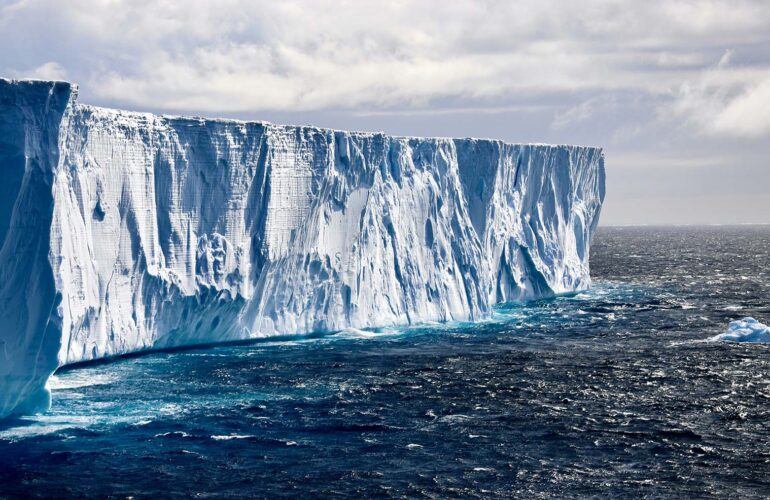
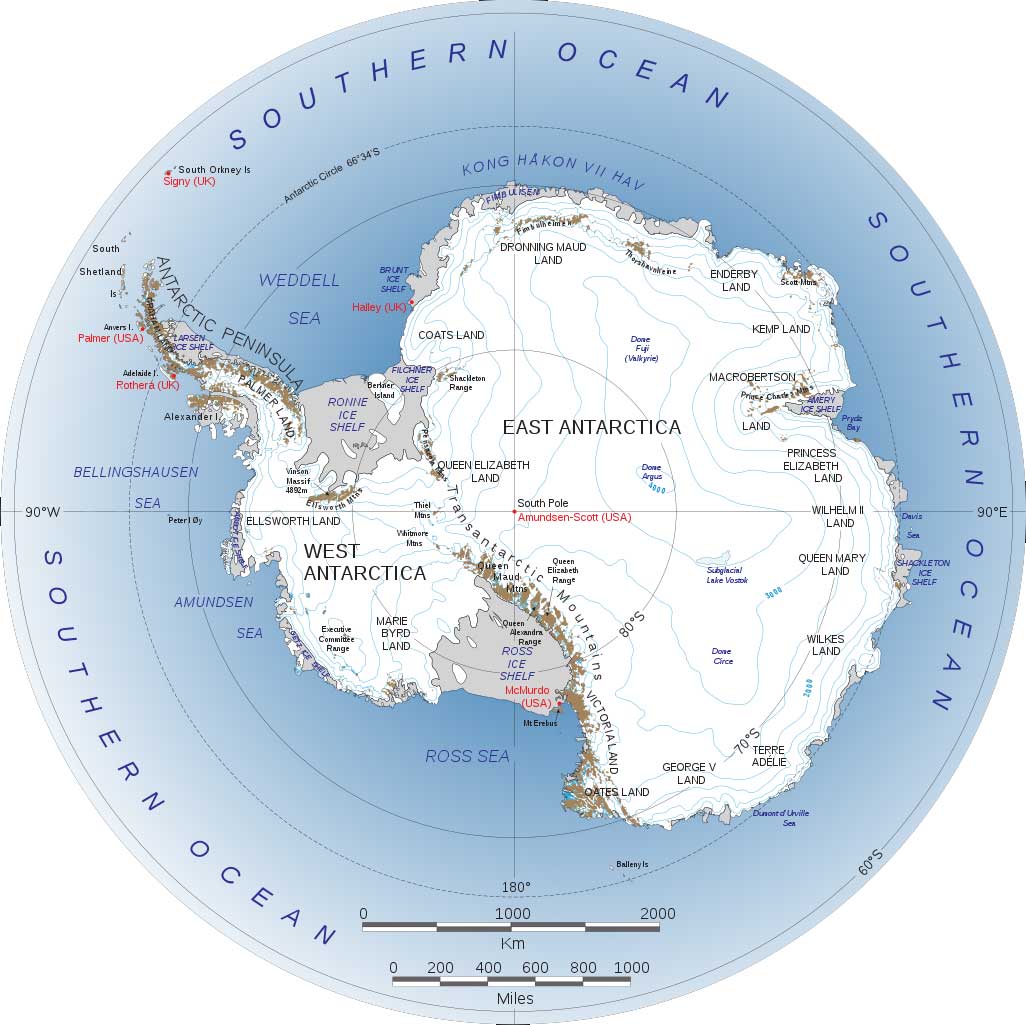
Antarctica is Earth’s southernmost continent, centred on the South Pole and almost entirely covered by ice. Around 98% of its surface is buried beneath an ice sheet that averages nearly 2 km thick, making it the largest single mass of ice on the planet. Beneath that ice lies a rugged landscape of mountains, valleys, lakes, and even active volcanoes — most famously Mount Erebus.
Unlike the Arctic (which is ocean surrounded by land), Antarctica is land surrounded by ocean, encircled by the Southern Ocean.
How Big Is Antarctica?
- Area (summer): ~14 million km²
- Area (winter): up to ~23 million km² (due to sea ice expansion)
- Fifth-largest continent (larger than Europe, smaller than Africa)
- Holds ~70% of the world’s fresh water (locked in ice)
- Contains ~90% of Earth’s ice
If all Antarctic ice melted, global sea levels would rise by around 58 metres.
A Continent That Grows and Shrinks
Antarctica doesn’t just experience seasons — it physically changes size.
- Summer (Oct–Mar): Sea ice melts back toward the coastline, revealing open water and access routes.
- Winter (Apr–Sep): Sea ice expands dramatically, effectively doubling the continent’s footprint.
This seasonal sea ice plays a critical role in global ocean circulation and climate regulation.
Antarctic Seasons (Inverted from the Northern Hemisphere)
Summer (October – March)
- Temperatures near coast: −5°C to +5°C
- 24-hour daylight (“midnight sun”)
- Wildlife breeding season
- Only time when most expeditions and research work occur
Winter (April – September)
- Temperatures inland: −60°C to −80°C
- Complete darkness for months
- Extreme winds and storms
- Most stations become isolated or operate with skeleton crews
The Coldest Weather on Earth
- Coldest temperature ever recorded on Earth: −89.2°C (Vostok Station)
- Antarctica is officially a polar desert
- Interior receives less precipitation than the Sahara (as snow)
- Winds can exceed 300 km/h in some regions
Despite the cold, Antarctica’s air is some of the cleanest on Earth, making it invaluable for climate and atmospheric research.
Wildlife on Land (Ice)
There are no land mammals, reptiles, or amphibians. Life survives only where it can adapt to ice, cold, and scarcity.
Notable land & ice species:
- Emperor penguins
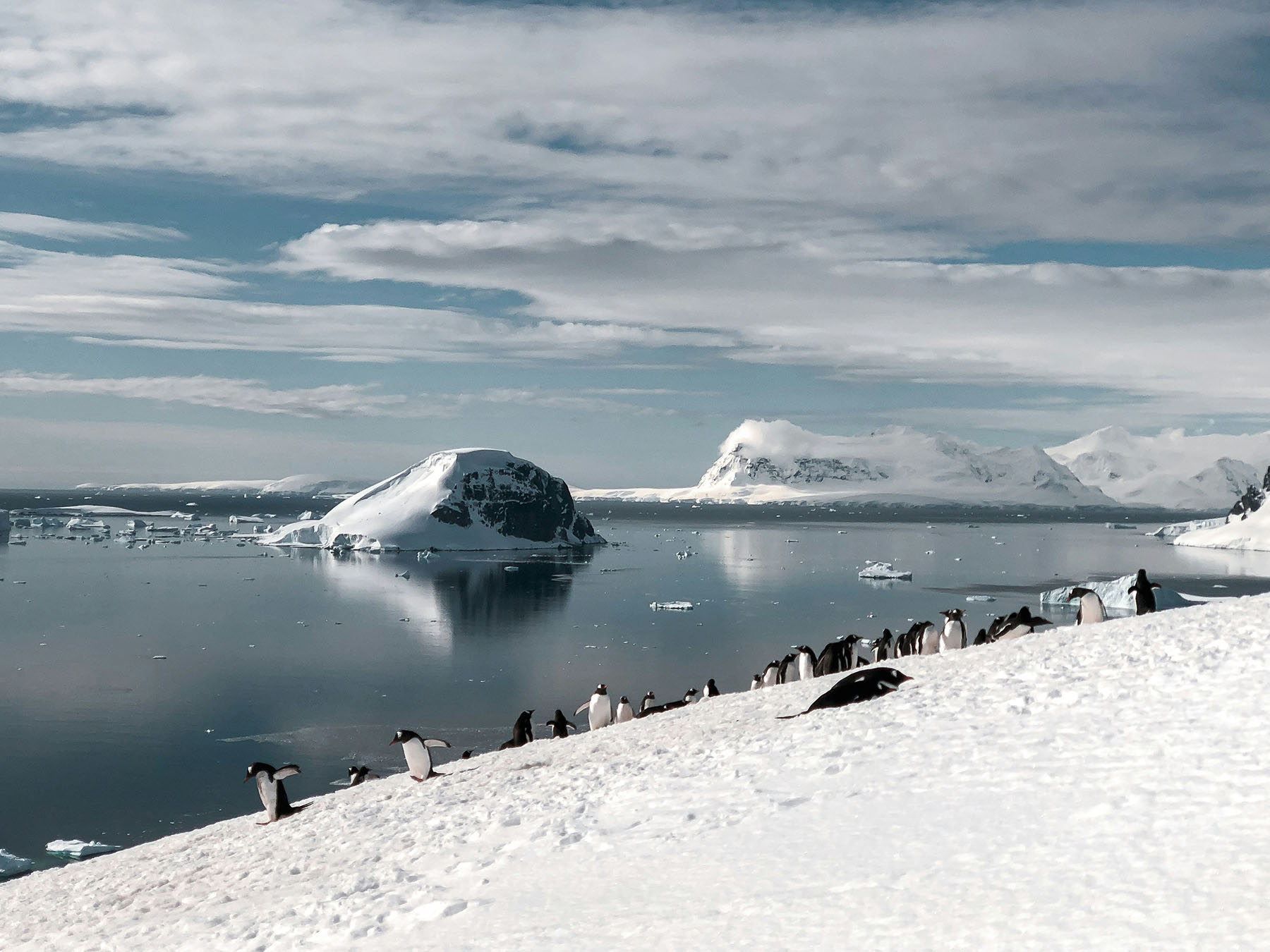
- Adélie, Chinstrap & Gentoo penguins
- Weddell, Leopard & Crabeater seals
- Antarctic skuas & snow petrels
Most wildlife depends on the surrounding ocean for food.
Life in the Southern Ocean
The Antarctic marine ecosystem is one of the most productive on Earth.
- Antarctic krill are the keystone species
- Support whales, seals, penguins, squid, and fish
- Seasonal phytoplankton blooms drive the entire food chain
Whales feeding here include humpbacks, minke whales, blue whales, and orcas.
Closest Countries to Antarctica
Antarctica has no borders, but the nearest countries include:
- Chile & Argentina (closest landmass)
- New Zealand
- Australia
- South Africa
These nations often serve as logistical gateways for expeditions and research programs.
Who Owns Antarctica?
Short answer: no one.
Antarctica is governed under the Antarctic Treaty (signed in 1959).
Key principles:
- No military activity
- No nuclear testing
- Science and research only
- Territorial claims frozen (not abolished)
- Environmental protection is paramount
Over 50 countries are signatories.
Who Is Based There?
There are no permanent residents, but:
- ~1,000 people in winter
- Up to ~5,000 in summer
- Scientists, engineers, medics, pilots, mechanics
Major operators include the USA, UK, Australia, China, Russia, France, and others.
Why Antarctica Matters
Antarctica isn’t just remote — it’s central to Earth’s future.
- Regulates global sea levels
- Influences ocean currents & climate systems
- Preserves ice records spanning hundreds of thousands of years
- Serves as a testing ground for human endurance and exploration
It is one of the last places on Earth where nature still sets the rules.